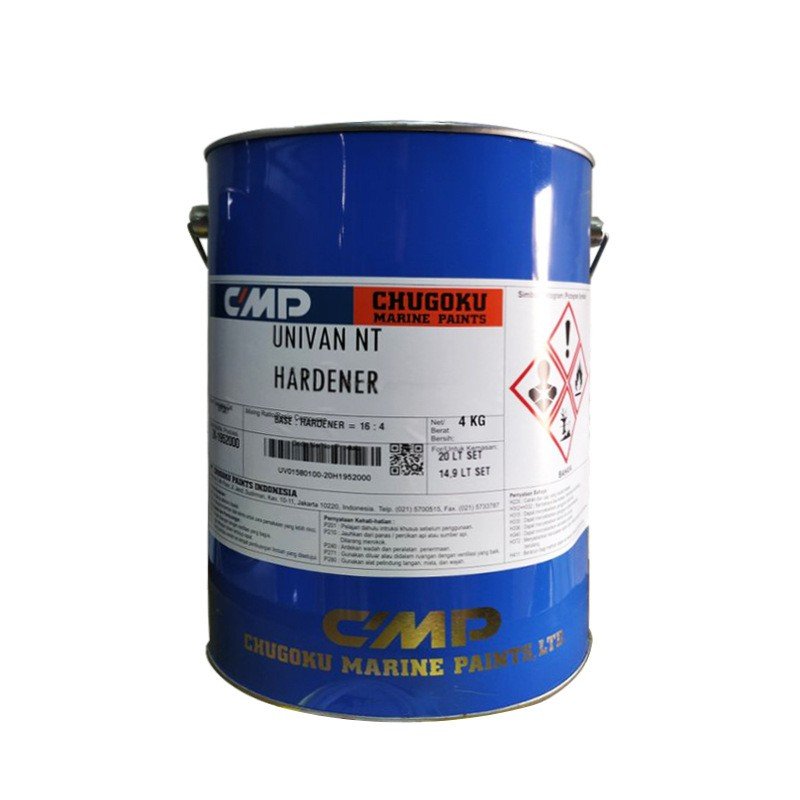
6427 EVAMAX 2000 F High Solids Epoxy Paint belongs to Epoxy. EVAMAX 2000 F is a mixed coating formulated from epoxy resin and special wear-resistant raw materials. Parameters on this page: Volume Solids 80 ± 2%, Dry Film Thickness (DFT) 100–250 µm, Theoretical Spreading Rate 0.125–0.312 L/m². Comparable models from the same brand: 5006 ALP 500 Epoxy, 5055 BANNOH 500 Epoxy, 5055D BANNOH 500 AC Epoxy.
Parameter source: CMP original Technical Data Sheet (TDS) “6427 EVAMAX 2000 F High Solids Epoxy Paint”; values such as spreading rate are converted from TDS parameters and are for selection reference only.
The above content is compiled from the manufacturer's datasheet and this site's parameter tables. For selection, coating systems and lead times, pleaseContact Usfor confirmation.
This page carries the full TDS for this product, translated from the manufacturer's original document. No file download is needed; for an original-language copy, send an enquiry.
| Volume Solids | 80 ± 2% |
|---|---|
| Dry Film Thickness | 100–250 µm |
| Theoretical Spreading Rate | 0.125-0.312 L/m2 |
| VOC | 223 g/L |
| Density / Specific Gravity | 1.54 g/ml |
| Number of Components | Two-component |
| Thinner | EPOXY THINNER A |
| Mixing Ratio | Base : curing agent = 81:19 (by volume) |
| Colour / Appearance | Grey, light grey, red-brown |
For more Q&A on selection, application, acceptance and defect diagnosis, seeFAQsection.
EVAMAX 2000 F is a mixed coating formulated from epoxy resin and special wear-resistant raw materials. It features strong adhesion, good flexibility, impact resistance, wear resistance and anti-rust protection.
The coating is suitable for spraying on exterior decks and holds.
The product is approved to FDA (dry food) certification.
| Type | High-Solids Epoxy |
|---|---|
| Use | For cargo holds |
| Mixing Ratio | Base : curing agent = 81:19 (by volume) |
|---|---|
| Colour | Grey, light grey, red-brown |
| Flash Point | Base 32.8 °C Hardener 30.8 °C |
| Density | 1.54 g/ml |
| Volume Solids | 80 ± 2% |
| Volatile organic compound content | 223 g/L |
| Theoretical spreading rate | 0.125-0.312 L/m2 |
| Thickness | Wet film 125–313 µm |
| Dry film | 100–250 µm |
(dry film 200 µm)
| Temperature | -5 °C | 0 °C | 5 °C | 10 °C | 20 °C | 30 °C | |
| Drying Time | Surface Dry | 22 h | 12 h | 6 h | 4 h | 3 h | 2.5 h |
| Hard Dry | 52 h | 36 h | 24 h | 17 h | 7 h | 4 h | |
| Recoat interval | At least | 52 h | 36 h | 24 h | 17 h | 7 h | 4 h |
| At most | 10 days | 10 days | 10 days | ||||
| Pot life | 12 h | 6 h | 2.5 h | 2 h | 1.5 h | 45 min | |
| Application method | Airless spray, brush, roller |
|---|---|
| Weather: temperature | -5-35°C |
| Humidity | Maximum 85% RH |
| Airless spray: viscosity | 1.5-2.0Pa.s |
| Nozzle | Graco419-623 |
| Paint output pressure | 15-25 Mpa |
| Spray gun speed | 60–80 cm/s |
| Thinner | EPOXY THINNER A |
| Thinning | 0–20% by volume |
| Newbuilding | Follow the shipyard standards. Consult your CMP representative for advice. |
|---|---|
| Repair and maintenance | Remove oil and other contaminants. Remove salts and other contaminants with high-pressure fresh water, then dry completely. Remove damaged areas with abrasive at least |
| Achieves Sa2 standard (ISO 8507-1 | 2007) or prepare with power tools to St 3 (ISO 8507-1:2007). |
| Rinse with water | Consult your CMP representative for advice. |
The type and degree depend on the actual condition of the material and the required performance.
Use standards consistent with the Worldwide Marine Specifications.
| Preceding coat | CERABOND 2000, NZ PRIMER S |
|---|---|
| Subsequent coat | - |
| Packaging | Two-component |
Note: 1. In confined spaces or restricted spaces at low temperature, ventilation is necessary to remove volatilised solvent and promote film formation during application and drying.
2. Stir the base with a mixer until homogeneous, then add the curing agent and mix with a power mixer. Then add the appropriate amount of thinner and mix.
3. Excessive thinner reduces sag resistance and film performance.
4 If the product reacts below 10 °C or is immersed in water, stains (white spots) will appear. However, these white spots are limited to the surface layer and do not affect physical properties.
5 If the coating film surface may be directly exposed to sunlight, the subsequent coat should be applied at the shortest possible interval.
6. Waiting time before first cargo loading
| Temperature | 5°C | 10°C | 20°C | 30°C |
| 200 µm (days) | 25 | 9 | 6 | 3 |
| 350 µm (days) | 37 | 14 | 9 | 5 |
7 In view of the short service time, attention must be paid to controlling the temperature of the mixed paint, especially during summer application.
8 Application at temperatures down to -5 °C is possible, but hard drying takes a long time, and full cure can only be achieved as the temperature rises.
9 VOC content and density are theoretical calculated values based on a representative colour formulation (light grey) without thinner. These values vary depending on colour, production process and local regulations.
Information is subject to the manufacturer's latest version; the manufacturer's latest TDS prevails.
The technical parameters on this page are taken from the product's original manufacturer technical datasheet, the copyright of which belongs to the manufacturer. If a rights holder considers the presentation inappropriate, contact us for verification and handling.
Packaging specifications and batch lead times are subject to actual availability. PleaseContact Uscontact us for project-based calculation.