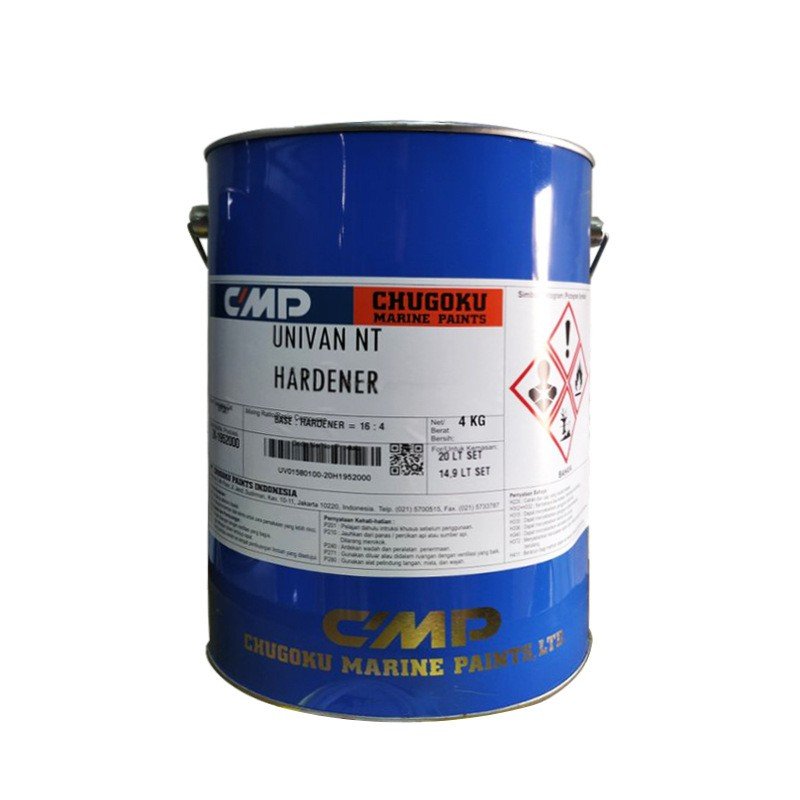
6081G CMP NOVA 2000 GF Tar-free Modified High-solids Epoxy is an epoxy coating. CMP NOVA 2000 GF is a high-solids tar-free modified epoxy based on modified epoxy resin and pigments. Parameters on this page: volume solids 80 ± 2%, dry film thickness 125–250 µm, theoretical spreading rate 0.156–0.313 L/m². Comparable products from the same brand: 5006 ALP 500 Epoxy, 5055 BANNOH 500 Epoxy, 5055D BANNOH 500 AC Epoxy.
Source: CMP original technical data sheet (TDS) "6081G CMP NOVA 2000 GF Tar-free Modified High-solids Epoxy"; spreading rate and other values are converted from TDS parameters and are for selection reference only.
The above content is compiled from the manufacturer's datasheet and this site's parameter tables. For selection, coating systems and lead times, pleaseContact Usfor confirmation.
This page carries the full TDS for this product, translated from the manufacturer's original document. No file download is needed; for an original-language copy, send an enquiry.
| Volume Solids | 80 ± 2% |
|---|---|
| Dry Film Thickness | 125–250 µm |
| Theoretical Spreading Rate | 0.156-0.313 L/m2 |
| VOC | 275 g/L |
| Density / Specific Gravity | 1.41 g/ml |
| Number of Components | Two-component |
| Thinner | EPOXY THINNER A, EPOXY THINNER B |
| Mixing Ratio | Base : curing agent = 80:20 (by volume) |
| Colour / Appearance | Light grey, red-brown |
CMP NOVA 2000 GF is a high-solids tar-free modified epoxy based on modified epoxy resin and pigments. It has excellent bonding, film toughness, abrasion resistance and rust prevention.
It may be used as a protective coating for cargo holds.
| Type | Tar-free Modified High-solids Epoxy |
|---|---|
| Use | Suitable for cargo holds |
| Mixing Ratio | Base : curing agent = 80:20 (by volume) |
|---|---|
| Colour | Light grey, red-brown |
| Flash Point | Base 37 °C; curing agent 21.5 °C |
| Density | 1.41 g/ml |
| Volume Solids | 80 ± 2% |
| Volatile organic compound content | 275 g/L |
| Theoretical spreading rate | 0.156-0.313 L/m2 |
| Thickness | Wet film 156–313 µm |
| Dry film | 125–250 µm |
(dry film 250 µm)
| Temperature | 10 °C | 20 °C | 30 °C | |
| Drying Time | Surface Dry | 12 h | 6 h | 4 h |
| Hard Dry | 24 h | 15 h | 12 h | |
| Recoat interval | At least | 24 h | 15 h | 12 h |
| At most* | 15 days | 10 days | 7 days | |
| Pot life | 5 h | 3 h | 2 h | |
| Application method | Airless Spray |
|---|---|
| Weather: temperature | Minimum 10 °C |
| Humidity | Maximum 85% RH |
| Airless spray: viscosity | 1.5-2.0Pa.s |
| Nozzle | Graco621, 623 |
| Paint output pressure | 14.7-17.7 Mpa |
| Spray gun speed | 60–80 cm/s |
| Thinner | EPOXY THINNER A, EPOXY THINNER B |
| Thinning | 0–15% by volume |
| Preceding coat | NZ PRIMER, CERBOND 2000, EPICON ZINC RICH PRIMER B-2 |
| Subsequent coat | - |
| Packaging | Two-component |
Note: 1. In confined spaces or restricted spaces at low temperature, ventilation is necessary to remove volatilised solvent and promote film formation during application and drying.
2. Stir the base with a mixer until homogeneous, then add the curing agent and mix with a power mixer. Then add the appropriate amount of thinner and mix.
3. If the film surface is likely to be exposed to direct sunlight, apply the subsequent coat within the minimum interval as far as possible.
4. This product is not suitable for FDA (dry foodstuff) applications.
5. Waiting time before loading the first cargo
| Temperature | 10 °C | 20 °C | 30 °C |
| Days (dry film 200 µm) | 20 | 12 | 7 |
| Days (dry film 400 µm) | 30 | 16 | 10 |
6. Refer to the safety data sheet before use.
7. VOC content and density are theoretical calculated values based on a representative colour formulation (light grey) without thinner. Values vary between colour formulations.
Information is subject to the manufacturer's latest version; the manufacturer's latest TDS prevails.
The technical parameters on this page are taken from the product's original manufacturer technical datasheet, the copyright of which belongs to the manufacturer. If a rights holder considers the presentation inappropriate, contact us for verification and handling.
For more Q&A on selection, application, acceptance and defect diagnosis, seeFAQsection.
Packaging specifications and batch lead times are subject to actual availability. PleaseContact Uscontact us for project-based calculation.