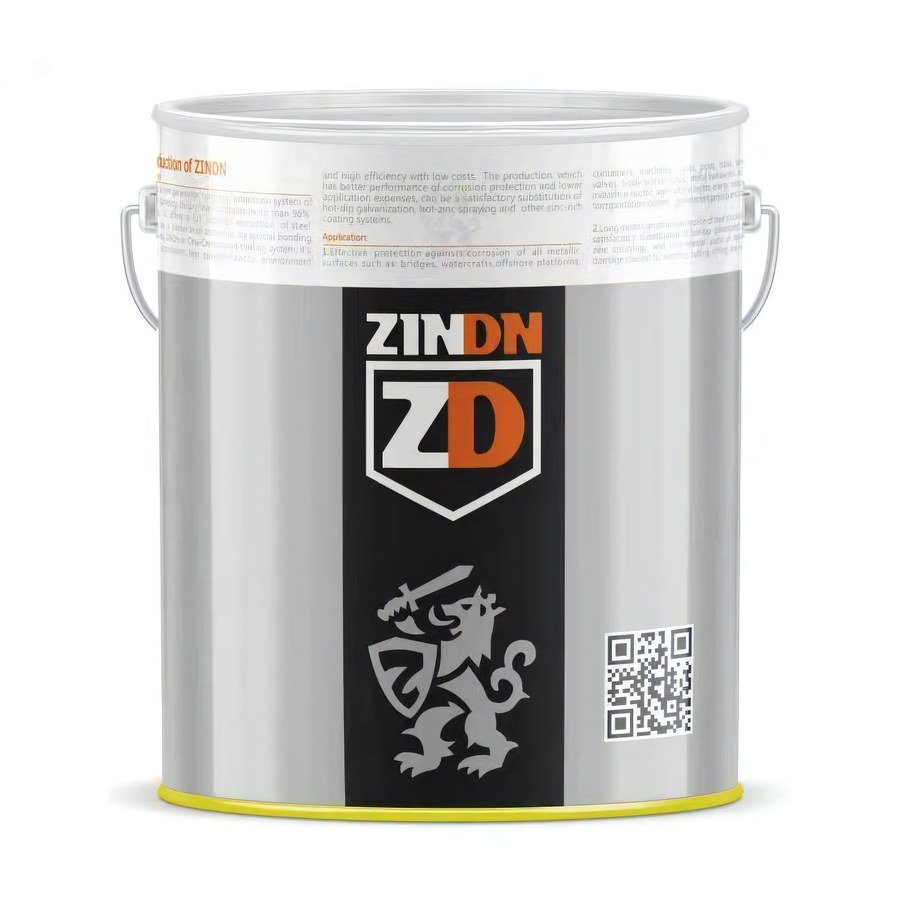
ZD53-62A Epoxy MIO Intermediate Coat is an epoxy coating used as an intermediate coat. Can be used as the intermediate layer and sealer coat of high-performance anti-rust paints such as epoxy zinc-rich primer and inorganic zinc-rich primer, to enhance the barrier and protection performance of the whole coating. A two-component epoxy anti-rust paint/intermediate coat composed of epoxy resin, micaceous iron oxide anti-rust pigment and a polyamide hardener. Parameters on this page: volume solids 80 ± 3%; dry film thickness 80/100/150 µm; theoretical spreading rate 0.328 kg/m². Comparable products from the same brand: ZD6330 Graphene Epoxy MIO Intermediate Coat, Epoxy MIO Intermediate Coat ZH53-62, Water-borne Epoxy Intermediate Coat ZDW2051.
Source: ZINDN original technical data sheet (TDS) 'ZD53-62A Epoxy MIO Intermediate Coat'. Spreading rate and other values converted from the TDS; for reference only.
The above content is compiled from the manufacturer's datasheet and this site's parameter tables. For selection, coating systems and lead times, pleaseContact Usfor confirmation.
This page carries the full TDS for this product, translated from the manufacturer's original document. No file download is needed; for an original-language copy, send an enquiry.
| Volume Solids | 80 ± 3% |
|---|---|
| Dry Film Thickness | 80/100/150 µm |
| Theoretical Spreading Rate | 0.328 kg/m² |
| VOC | ≤250g/L |
| Density / Specific Gravity | 1.75 ± 0.1 |
| Number of Components | Two-component |
| Flash Point | >25 °C (components A, B and the mixture) |
| Thinner | X-500 Epoxy Thinner |
| Mixing Ratio | Component A (base) : Component B (curing agent) = 25:3 |
ZD53-62A Epoxy MIO Intermediate Coat
A two-component epoxy anticorrosive/intermediate coat composed of epoxy resin, micaceous iron oxide anticorrosive pigment and a polyamide curing agent.
Because of the high content of lamellar micaceous iron oxide, which forms a 'maze' effect in the film, the coating has high barrier and anticorrosive properties. It has high resistance to chemical, industrial and marine atmospheres, and good resistance to seawater, salt, and weak acids and alkalis. It has a long overcoating interval.
May be used as an intermediate and sealer over epoxy zinc-rich primers, inorganic zinc-rich primers and other high-performance anticorrosives to enhance the barrier and protective properties of the whole coating system; as an anticorrosive primer for steel structures; as a surface-barrier anticorrosive intermediate coat for concrete and other structures; and as a maintenance primer over existing coatings where compatibility permits.
| Colour | Grey or red-brown |
|---|---|
| Gloss | Matt |
| Volume Solids | 80±3% |
| Mixed density (kg/L) | 1.75±0.1 |
| Dry film thickness (µm) | Minimum 80 | Typical 100 | Maximum 150 |
| Wet film thickness (µm) | 100 | 125 | 187.5 |
| Theoretical spreading rate (kg/m²) | 0.175 | 0.218 | 0.328 |
| Practical Spreading Rate | Allowing for a suitable loss factor |
|---|---|
| VOC content | ≤250g/L |
| Bare steel surface | Remove grease from the surface with a suitable cleaner, and rinse off salts and other contaminants with fresh water. Remove weld slag, and grind welds and sharp edges smooth. Abrasive blast clean to Sa 2.5 (ISO 8501-1); the ideal surface roughness is Rz 30–75 µm (medium roughness on the ISO 8503-1 comparator). Apply within 4 hours of blast cleaning. |
|---|---|
| Shop-primed surface | Welds, heat-corrected areas and damaged areas must be blast cleaned to Sa 2.5 (ISO 8501-1) or cleaned with power tools to St 3. |
| Primed surface | Clean, dry and free of zinc salts and contaminants. |
| Repair | Thoroughly remove grease from the surface with a suitable cleaner, and wash off salts and other contaminants with high-pressure fresh water. Remove rust and other loose material by blast cleaning; alternatively, grind small rusted areas with power tools. |
Application environment temperature 5–38 °C, relative humidity not more than 85%, and the steel surface temperature should be at least 3 °C above the dew point. Do not apply outdoors in adverse weather such as rain, fog, snow, strong wind and heavy dust;
In hot summer weather, guard against dry spray; provide ample ventilation during application and drying in confined spaces;
At application environment temperatures of -5 to 5 °C, use a low-temperature-curing product or take other measures to ensure proper film curing.
| Mixing | This product is supplied as two containers forming one unit. Stir the base thoroughly with a power mixer, add the curing agent in the specified ratio, stir again with a power mixer, and add the recommended thinner to adjust to a suitable application viscosity. Once mixed, use within the specified pot life. |
|---|---|
| Thinner / Cleaning Solvent | X-500 Epoxy Thinner |
| Mixing ratio (by weight) | Component A (base) : Component B (curing agent) = 25:3 |
| Induction Time | 20 min (25 °C) |
| 5°C | 15°C | 25°C | 35°C |
| 6 h | 5 h | 4 h | 3 h |
| Application Methods | Airless spray and air spray are recommended; brush and roller are recommended only for touch-up, small-area application or repair. |
|---|
Stir frequently during application to prevent settling of the zinc dust.
| Application Methods | Unit | High-pressure airless spray | Air Spray | Brush/roller |
| Spray gun tip size | mm | 0.43~0.53 | 1.5~2.5 | —— |
| Spray pressure | kg/cm² | 150~200 | 3~4 | —— |
| Thinning quantity | % | 0~10 | 10~20 | 5~10 |
| Substrate surface temperature | 5°C | 15°C | 25°C | 35°C |
| Surface Dry | 4 h | 2.5 h | 45 min | 30 min |
| Hard Dry | 24 h | 16 h | 12 h | 6 h |
| Minimum recoat interval | 20 h | 12 h | 8 h | 4 h |
| Maximum recoat interval | 3 months |
|---|
Note: the above data are measured under well-ventilated conditions, at typical film thickness and 75% relative humidity, and are for reference only.
Actual drying times and the interval before recoating may be longer or shorter depending on film thickness, ventilation, humidity, the underlying paint, requirements for early handling and mechanical strength, and other factors.
| Preceding coat | Zinc silicate primers, epoxy zinc-rich primers or other epoxy primers; it may also be applied directly to steel derusted to Sa2.5. |
|---|---|
| Subsequent coat | Epoxy, polyurethane, fluorocarbon, polysiloxane topcoats, and similar. |
When overcoating inorganic zinc-rich (zinc silicate) primers, thin with 20–50% thinner and first apply a thin mist coat, then spray to the specified film thickness. When curing at low temperatures (10 °C or below), mix the paint thoroughly and allow a pre-reaction time of 30 minutes before use. Because the product contains micaceous iron oxide pigment, after long-term exterior exposure the rough surface may hold impurities, which shall be removed thoroughly before overcoating with the topcoat. During application, or shortly after application, condensation or a sudden temperature drop will cause whitening, tackiness and poor adhesion of the subsequent coat.
| Packaging Specifications | Component A 25 kg, Component B 3 kg |
|---|---|
| Flash Point | >25 °C (components A, B and the mixture) |
| Storage conditions | Store in accordance with national regulations. Keep in a dry, cool, well-ventilated place away from heat and sources of ignition. Keep containers tightly closed. |
| Shelf life | Shelf life is 1 year under good storage conditions. |
and read the product Safety Data Sheet (MSDS).
Avoid inhaling solvent vapours and spray mist, avoid contact of paint with skin and eyes, and do not swallow the product. Take the necessary precautions and protective measures for fire prevention, explosion prevention and environmental protection. Use only in well-ventilated conditions. In confined or poorly ventilated areas, provide forced ventilation.
Waste disposal must comply with the relevant national or local regulations.
The information and data in this document are accumulated from our tests and practical experience and may serve as an application guide. Since the use of the product is generally beyond our control, we guarantee only the quality of the product itself. We reserve the right to modify this document without prior notice as the product is improved.
| Version information | Published July 2024; this datasheet supersedes previous versions |
|---|
Information is subject to the manufacturer's latest version; the manufacturer's latest TDS prevails.
The technical parameters on this page are taken from the product's original manufacturer technical datasheet, the copyright of which belongs to the manufacturer. If a rights holder considers the presentation inappropriate, contact us for verification and handling.
For more Q&A on selection, application, acceptance and defect diagnosis, seeFAQsection.
Packaging specifications and batch lead times are subject to actual availability. PleaseContact Uscontact us for project-based calculation.