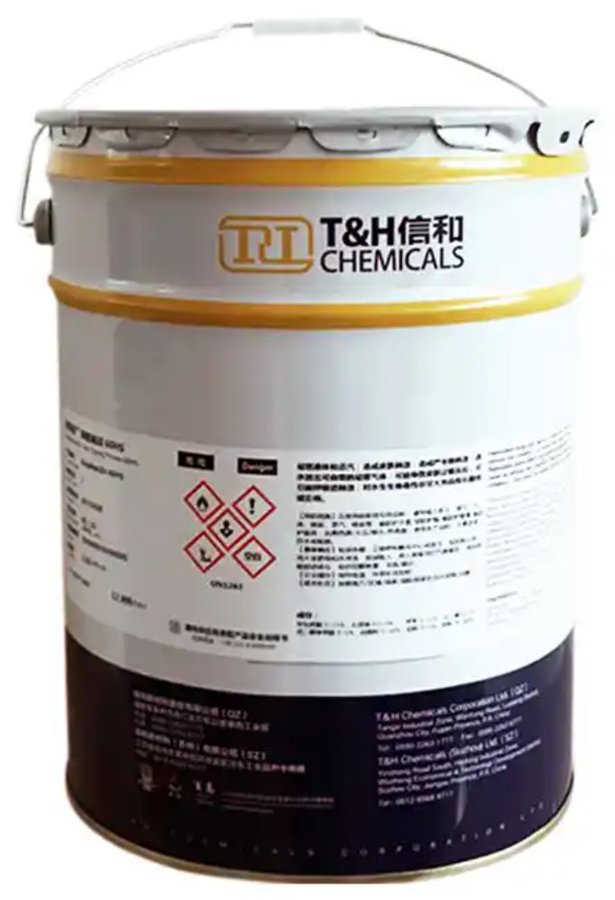
ThermoChar 714B Intumescent Fire Protection Coating for Outdoor Steel Structures is a fire protection coating. For fire protection of steel columns, steel beams, bracing, floors and steel decking in steel structures, covering both standard cellulosic fires and special hydrocarbon fires, for example in oil and petrochemical facilities and equipment, metallurgical and power industries, civil steel buildings, stadiums, airports, stations, large shopping malls and industrial plants. Specifications on this page: volume solids 100%, DFT 7000/8000/9000 µm, theoretical spreading rate 9 kg/m².
Source: T&H original technical data sheet (TDS) "ThermoChar 714B Exterior Intumescent Fire Protection Coating for Steel Structures"; values such as spreading rate are converted from the TDS parameters and are for selection reference only.
The above content is compiled from the manufacturer's datasheet and this site's parameter tables. For selection, coating systems and lead times, pleaseContact Usfor confirmation.
This page carries the full TDS for this product, translated from the manufacturer's original document. No file download is needed; for an original-language copy, send an enquiry.
| Volume Solids | 100% |
|---|---|
| Dry Film Thickness | 7000/8000/9000 µm |
| Theoretical Spreading Rate | 9 kg/m² |
| VOC | 0g/L |
| Density / Specific Gravity | — |
| Number of Components | Two-component |
| Flash Point | >106°C |
| Thinner | XH9426 |
| Wet Film Thickness | 7000/8000/9000 µm |
For more Q&A on selection, application, acceptance and defect diagnosis, seeFAQsection.
| Exterior Intumescent Structural Steel Fire Protection Coating | ThermoChar | 714B |
T&H Fire-Shield Epoxy ThermoChar 714B is a two-component solvent-free special fire protection coating composed of epoxy resin, intumescent agent, catalyst and char reinforcement agent. It is certified in accordance with the structural steel fire protection coating standard GB 14907-2018 and is a fire protection product satisfying the special hydrocarbon fire type for petrochemical steel structures. The main product characteristics are as follows:
Suitable for the fire protection of steel columns, steel beams, brackets, floors and steel decking in steel structures, including fire protection against both ordinary cellulosic fires and special hydrocarbon fires, such as oil and petrochemical industry facilities and equipment, metallurgical and power industries, civil steel buildings, gymnasiums, airports, stations, large shopping malls and industrial plants.
Colour: grey
Gloss: not applicable
Solids content by weight: 100%
Volatile organic compounds: 0 g/L
Flash Point >106 °C
Mixing ratio base : curing agent = 2.5:1 (by weight)
Pot life (25 °C) 60 min
| Areas of use | Fire resistance classification code | GB 14907-2018 corresponding report product model |
| Outdoor | Fp1.00 | GT-WRP-Fp1.00-ThermoChar714B |
| Outdoor | Fp1.50 | GT-WRP-Fp1.50-ThermoChar714B |
| Outdoor | Fp2.00 | GT-WRP-Fp2.00-ThermoChar714B |
| Outdoor | Fp2.50 | |
| Outdoor | Fp3.00 | |
| Outdoor | Ft0.50 | GT-WRP-Ft0.50-ThermoChar714B |
| Outdoor | Ft1.00 | GT-WRP-Ft1.00-ThermoChar714B |
| Outdoor | Ft1.50 | GT-WRP-Ft1.50-ThermoChar714B |
| Outdoor | Ft2.00 | GT-WRP-Ft2.00-ThermoChar714B |
| Outdoor | Ft2.50 | |
| Outdoor | Ft3.00 |
Approval/compliance: CCCF certified by the Fire Product Compliance Assessment Centre of the Ministry of Emergency Management, in accordance with national standard
| Product tested and assessed per GB 14907-2018 steel structure fire protection coating requirements |
Typical dry film thickness: 7 mm. Recommended dry film thickness: 3-16 mm, depending on system requirements. Induction time (25 °C): none. Application methods:
| Thinner | Airless spray XH9426 | Air spray / | Roller or trowel XH9426 |
| Thinner quantity (by volume) | 0-10% | / | 0-5% |
| Recommended nozzle size | 0.8~1.0mm | / | |
| Recommended spray pressure | 20~25MPa | / | |
| Application suitability | Recommended | N/A | Applicable |
Theoretical spreading rate:
| Dry film thickness (µm) | 7000 | 8000 | 9000 |
| Wet film thickness (µm) | 7000 | 8000 | 9000 |
| Theoretical spreading rate (kg/m²) | 7 | 8 | 9 |
Application data (typical dry film thickness 7 mm):
| Temperature | Surface Dry | Dry to handle | Pot Life | Self-overcoating interval | |
| Minimum | Maximum* | ||||
| 5°C | 16h | 36h | / | 32h | / |
| 15°C | 8h | 18h | / | 18h | / |
| 25°C | 5h | 16h | / | 16h | / |
| 40°C | 2h | 6h | / | 6h | / |
*The maximum overcoating interval depends on the exposure environment and use of the coating, and normally shall not exceed 12 months.
Before applying the product, the substrate must be blast cleaned to Sa 2½ (ISO 8501-1) and coated with a suitable primer (a T&H-approved primer must be used). Thoroughly remove grease with a suitable cleaner, and wash away salt and other contaminants with high-pressure clean water. If the anticorrosive coating is damaged, repair it before applying the fire protection coating. For steel structures already coated with anticorrosive paint, attention must be paid to the compatibility between the primer and the fire protection coating.
1) The steel surface temperature for application of the product is 10-45 °C. The surface temperature must be 3 °C above the dew point, and the maximum relative humidity during application must not exceed 85%; during application, ensure ventilation and exhaust, keep away from sources of ignition, and wear protective equipment such as masks and gloves; adequate ventilation should also be maintained during curing. 2) Before each application, stir Component A or B thoroughly, then add the curing agent in the specified ratio and mix thoroughly. The product can be thinned as required, using the dedicated thinner to adjust to application viscosity; the mixed coating must be used within the pot life (25 °C, 60 min). 3) For airless spray, the screen and filter must be removed; the material hose bore must not be less than 10 mm and must be solvent-resistant; nozzle tip 0.8-1.0 mm. 4) To ensure the full performance of the product, achieving the specified dry film thickness is very important. The dry film thickness also depends on the shape and size of the steel. The applicator must ensure that all areas of the steel reach the specified dry film range. Whether by airless spray or trowel/roller, multiple coats of fire protection coating are required to achieve the specified dry film thickness. 5) According to the specification, apply only over primers approved by the company; consult the company's technical representative for information on approved primers. The product is available only in grey; depending on the purpose of the coating system, a compatible and approved topcoat may be required; consult the company's technical representative on which topcoat to select in which case. 6. When work is interrupted, do not leave the coating in hoses, spray guns or spray equipment. Flush all equipment thoroughly with thinner. 7. All equipment should be cleaned with thinner immediately after use. Periodic flushing of spray equipment during the working day is good practice. The cleaning frequency depends on spray volume, temperature, spray time and factors including interruptions. 8. The fire protection coating must not be exposed to rain during application and curing; handle with care; before and during use, inhalation of spray mist and solvent must be avoided, and exposure of skin and eyes minimised, avoiding contact with wet paint. 9. Surplus paint and empty containers must be disposed of in accordance with the relevant regional regulations.
| 14 kg per set | Base: 10.0 kg | Curing agent: 4.0 kg |
Keep sealed in a ventilated, cool, dry place away from sources of ignition. Minimum 12 months.
1) For the coating and recommended thinner, see the safety data sheet and safety data of the related materials; this is a solvent-borne coating, so inhalation of spray mist and solvent must be avoided, exposure of skin and eyes minimised, and contact with wet paint avoided. 2) All work involving the application and use of this product must be carried out in accordance with all relevant national health, safety and environmental standards and regulations. 3) Welding or flame cutting on metal coated with this product will produce dust and fumes; suitable personal protective equipment and adequate local exhaust ventilation are therefore required. 4) If in doubt about the suitability of this product, consult the Company.
The information in this data sheet is based on laboratory test results which we believe to be accurate, and is provided for application guidance only. All opinions and suggestions regarding the use of T&H products, whether in technical documents, special enquiries or otherwise, are based on information which we believe to be the most reliable. Our products and the information provided are intended for users with the necessary knowledge and industrial experience; it is ultimately these end customers who determine whether the products are suitable for their use. T&H cannot control the quality and condition of the substrate, nor the various factors affecting the use of the product. Accordingly, T&H accepts no liability for any loss, injury or damage arising from the use of the company's products or from reference to this data sheet (except as otherwise provided in a separate written agreement). The data sheet data are subject to necessary modification based on practical experience and the need for continuous product development. Publication date: December 2024.
Data is subject to the manufacturer's latest version; in all cases the manufacturer's latest TDS prevails.
Packaging specifications and batch lead times are subject to actual availability. PleaseContact Uscontact us for project-based calculation.