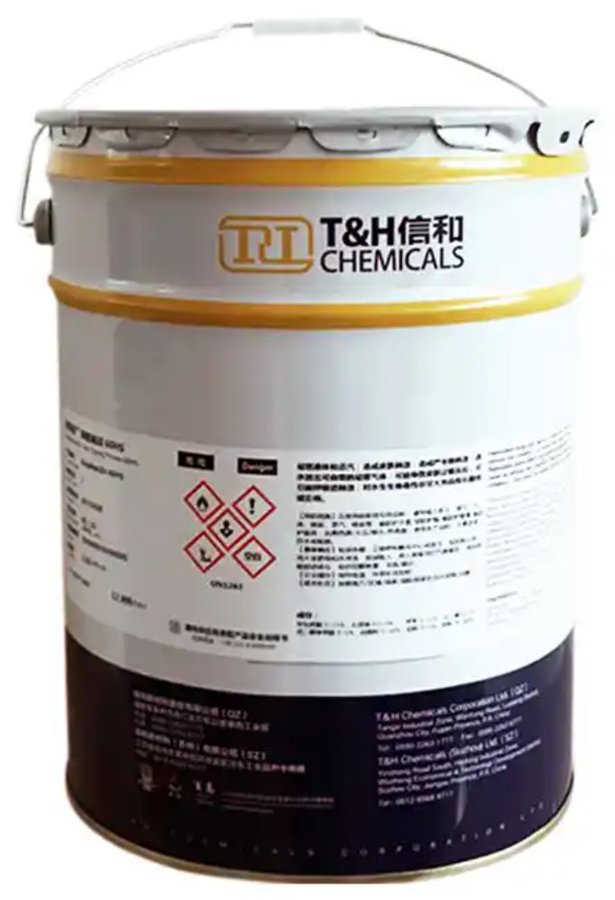
Limpet 263 Interior Non-intumescent Fire Protection Coating for Steel Structures belongs to fire protection coatings. Suitable for fire protection of steel columns, steel beams, brackets, floors and steel corrugated sheets in steel structures, such as civil steel structure buildings, TV towers, gymnasiums, airports, stations, large shopping malls and industrial plants. T&H Limpet 263 is a gypsum-based fire protection coating mixed from lightweight expanded vermiculite, gypsum, special binders and selected fire protection additives, certified to the steel structure fire protection coating standard GB14907-2018, a product with excellent fire performance. Main product characteristics are as follows. Parameters on this page: theoretical spreading rate 116 m2/tonne (at 25 mm thickness).
Parameter source: T&H original technical data sheet (TDS) "Limpet 263 Interior Non-intumescent Fire Protection Coating for Steel Structures"; values such as spreading rate are converted from TDS parameters and are for selection reference only.
The above content is compiled from the manufacturer's datasheet and this site's parameter tables. For selection, coating systems and lead times, pleaseContact Usfor confirmation.
This page carries the full TDS for this product, translated from the manufacturer's original document. No file download is needed; for an original-language copy, send an enquiry.
| Volume Solids | — |
|---|---|
| Dry Film Thickness | — |
| Theoretical Spreading Rate | — |
| VOC | — |
| Density / Specific Gravity | Density: ≤400 kg/ m3 |
| Number of Components | — |
Interior Non-Intumescent Fire Protection for Structural Steel
| Limpet 263 |
T&H Limpet 263 is a gypsum-based fire protection coating mixed from lightweight expanded vermiculite, gypsum, special binders and selected fire protection additives, certified to the steel structure fire protection coating standard GB14907-2018, a product with excellent fire performance. Main product characteristics are as follows:
Suitable for fire protection of steel columns, beams, supports, floors and profiled steel decking in steel structures, such as civil steel-framed buildings, TV towers, stadiums, airports, stations, large shopping centres and industrial plants.
Colour: off-white
Dry density: ≤400 kg/ m3
Corrosion resistance: non-corrosive
Theoretical spreading rate: 116 m2/tonne (at 25 mm thickness)
Thermal conductivity: 0.081 W/m K
Curing type: water-curing
Surface flammability: non-combustible
Smoke emission: no smoke produced
Mildew resistance: no mildew growth
| Areas of use | Fire resistance classification code | GB 14907-2018 corresponding report product model |
| Interior | Fp2.00 | GT-NSF-Fp2.00-Limpet 263 |
| Interior | Fp2.50 | GT-NSF-Fp2.50-Limpet 263 |
| Interior | Fp3.00 | GT-NSF-Fp3.00-Limpet 263 |
| Interior | Fp4.00 |
Approval/compliance: CCCF certified by the Fire Product Compliance Assessment Centre of the Ministry of Emergency Management, in accordance with
| Product tested and assessed per GB 14907-2018 steel structure fire protection coating requirements |
Substrate type: steel structure
Surface preparation: the substrate must be clean and dry, free of dust, rust, oil, laitance, incompatible primers and other possible
Media affecting bond strength may be present. Note: improper surface preparation can cause adhesion failure, leading to detachment, blistering and other hazardous defects.
Primer: compatible with common steel anti-corrosive primers, but considering long-term safety and to avoid
To avoid the influence of certain unforeseeable factors, T&H New Materials recommends spraying a dedicated bonding coat between the fire protection coating and the anticorrosive steel coating where necessary.
Material mixing: at the site, add water and stir for spray or trowel application. Add potable-water-grade clean water while stirring,
The mixing ratio shall strictly follow the manufacturer's recommendations for the application conditions. Conventional or continuous mixers may be used; the mixer shall be kept clean and free from residues of the previous batch. The mixing speed of a conventional mixer shall be set to the lowest so that the material is fully mixed. Generally, each 20 kg bag of fire protection coating requires 3 minutes of mixing after water is added; insufficient mixing may cause blockages in the delivery pipes. The spray equipment shall be approved by T&H New Materials. The surface may be smoothed with a trowel, rolled flat, or left with the sprayed finish. Special note: an improper water-to-material ratio may increase the dry film density and the drying shrinkage rate of the dried film, which may cause cracking and detachment of the coating; follow the manufacturer's water mixing ratio recommendations.
Spray thickness: first pass 9–12 mm; subsequent passes typically about 15 mm each.
Ambient temperature: the ambient temperature during application shall be above 4°C and rising;
application should not proceed when the temperature is below 4°C and falling; the maximum temperature of the substrate or ambient environment shall not exceed 50°C; the substrate temperature shall be at least 2°C above the dew point.
Quality control: the application process shall strictly follow the application work instruction;
during application, thickness measurement, insulation efficiency, density and slump tests shall be carried out at the required frequency, with data recorded.
Application team: T&H Limpet 263 shall be applied by an application team trained by T&H and holding an application qualification
certificate issued by T&H. Major equipment used for application shall be approved by T&H.
20 kg/bag
Keep sealed in a ventilated, cool, dry place away from sources of ignition. Maximum 12 months.
In certain specific cases, a compatible fire protection coating topcoat is required. The topcoat improves decorative appearance, protects the fire protection coating and effectively prevents the growth of fungi and moss under severe environmental conditions. Contact the technical department of T&H New Materials for details.
The information provided in this product data sheet is based on laboratory test results that we consider accurate, and is provided for application guidance only. All recommendations and advice given by T&H on the use of T&H products, whether in technical documents, special consultation or otherwise, are based on information we consider most reliable. Our products and the information provided are intended for users with the necessary knowledge and industrial experience, and it is for these end users to determine whether the products are suitable for their use. T&H cannot control the quality and condition of the substrate, nor the various factors affecting the use of the product. Therefore, T&H accepts no liability for any loss, injury or damage arising from the use of our products or from reliance on this product data sheet (unless otherwise agreed in writing). Data in this product data sheet may be revised as necessary based on practical experience and continued product development. Publication date: August 2021.
Information is subject to the manufacturer's latest version; the manufacturer's latest TDS prevails.
The technical parameters on this page are taken from the product's original manufacturer technical datasheet, the copyright of which belongs to the manufacturer. If a rights holder considers the presentation inappropriate, contact us for verification and handling.
For more Q&A on selection, application, acceptance and defect diagnosis, seeFAQsection.
Packaging specifications and batch lead times are subject to actual availability. PleaseContact Uscontact us for project-based calculation.