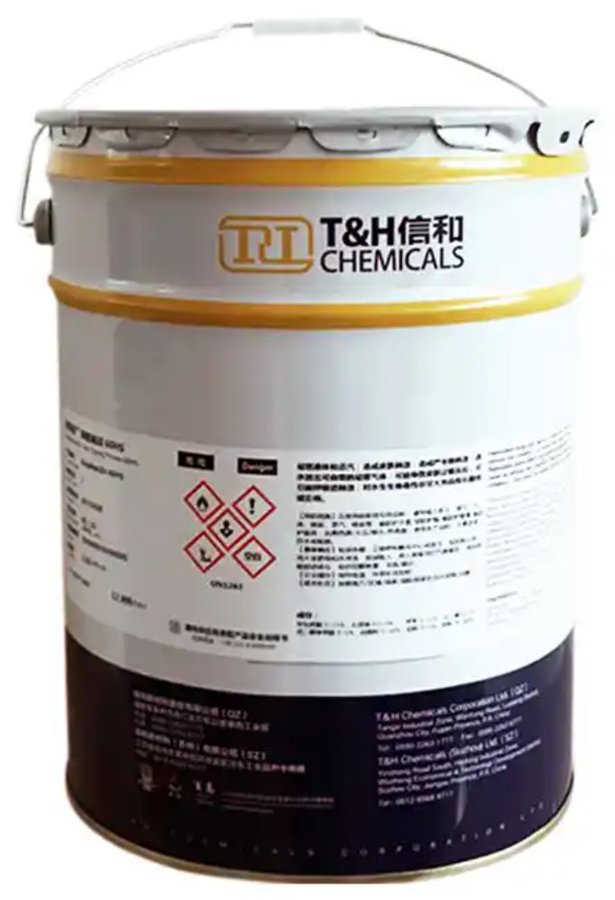
Zinxene Graphene Zinc Powder Primer Graphene Wind is a zinc-rich primer. A graphene-reinforced epoxy zinc powder coating used as a high-performance anticorrosive primer for corrosion protection of facilities and equipment in harsh environments such as petrochemical plants, chemical plants and power stations; its performance and composition meet the requirements of standard HG/T 4844. Parameters on this page: volume solids 66 ± 3%, dry film thickness 60/80/90 µm, theoretical spreading rate 7.3 m²/L.
Parameter source: T&H manufacturer's Technical Data Sheet (TDS) "Xinxiwang Graphene Zinc-rich Primer Graphene Wind"; spreading rate and other values are converted from the TDS parameters and provided for product selection reference only.
The above content is compiled from the manufacturer's datasheet and this site's parameter tables. For selection, coating systems and lead times, pleaseContact Usfor confirmation.
This page carries the full TDS for this product, translated from the manufacturer's original document. No file download is needed; for an original-language copy, send an enquiry.
| Volume Solids | 66 ± 3% |
|---|---|
| Dry Film Thickness | 60/80/90 µm |
| Theoretical Spreading Rate | 7.3 m2/L |
| VOC | 330g/L |
| Density / Specific Gravity | 2.05kg/L |
| Number of Components | Two-component |
| Flash Point | 25°C |
| Thinner | 0-10% |
| Mixing Ratio | Base : curing agent = 16:1 (by weight), 87:13 (by volume) |
For more Q&A on selection, application, acceptance and defect diagnosis, seeFAQsection.
A graphene-reinforced epoxy zinc dust coating, used as a high-performance anti-corrosive primer for protection of facilities and equipment in harsh environments such as petrochemical plants, chemical plants and power plants; performance and composition comply with HG/T 4844.
| Colour | Zinc grey |
|---|---|
| Gloss | N/A |
| density | 2.05kg/L |
| Volume Solids | 66±3% |
| Volatile Organic Compounds | 330g/L |
| Flash Point | 25°C |
| Mixing ratio | Base : curing agent = 16:1 (by weight), 87:13 (by volume) |
| Typical dry film thickness | 80µm |
|---|---|
| Recommended dry film thickness | 60–90 µm, depending on system requirements |
| Induction time (20 °C) | 10~15min |
| Thinner quantity (by volume) | Airless spray 0–10% | Air spray 10–20% | Roller or brush 0–10% |
| Recommended nozzle size | 0.43~0.64mm | 2.0~3.0mm | None |
| Recommended spray pressure | 15~20MPa | 0.3~0.6MPa | None |
| Application suitability | Recommended | Applicable | Suitable for small-area repair |
*Use a slow thinner in hot weather
| Dry film thickness (µm) | 60 | 80 | 90 |
| Wet film thickness (µm) | 91 | 121 | 136 |
| Theoretical spreading rate (m²/L) | 11.0 | 8.3 | 7.3 |
| Temperature | Surface Dry | Hard Dry | Pot Life | Recoat interval | |
| Minimum | Maximum* | ||||
| 5°C | 2h | 24h | No data | 24h | / |
| 15°C | 1.5h | 12h | 6h | 12h | / |
| 25°C | 1h | 8h | 4h | 8h | / |
| 40°C | 50min | 6h | 2h | 8h | / |
*The maximum recoat interval depends on the exposure environment and the end use of the coating.
All surfaces to be coated must be clean, dry and free of contaminants. Before application, all surfaces must be assessed and prepared in accordance with ISO 8504:2000. Abrasive blast clean to Sa 2½, with surface roughness 40–75 µm. Before rust removal, remove all oil and weld spatter and grind welds and sharp edges. Areas of the coating damaged mechanically and showing localised rust must be spot blast cleaned to Sa 2½ or cleaned with power tools to St 3 before local repair with this primer. If the old film shows chalking or zinc salts, remove the zinc salts and contaminants before applying the intermediate coat or topcoat.
1. During application, ensure ventilation and exhaust, keep away from sources of ignition, and wear protective equipment such as a mask and gloves; maintain adequate ventilation also during curing. 2. When mixing, first stir the base thoroughly, then add the curing agent in the specified ratio and mix well; adjust the thinner quantity according to application needs and temperature, stir thoroughly and allow induction; filter through a 120-mesh screen before use, and keep stirring during use. 3. Excessive thinner reduces sag resistance; never exceed the thinner limits of environmental regulations. 4. This product is suitable only for blast-cleaned steel surfaces and approved epoxy zinc-rich or inorganic zinc silicate coatings; it must not be applied over other coating types. Alkyd or alkyd-modified coatings must not be applied directly over this product. 5. During application and curing, the substrate temperature must be above 5 °C and at least 3 °C above the dew point, with relative humidity not more than 85%. 6. Cutting of structures coated with this product produces fume; take appropriate protection. 7. This product is not suitable for underwater use. 8. Avoid dry spray and excessive film thickness during application. Applying the next coat over a dry-sprayed coat may cause pinholes; excessive thickness prolongs curing, handling and recoat times. The film thickness must match the surface roughness; do not apply low film thickness over rough surfaces, and avoid over-application. 9. When work is interrupted, do not leave paint in hoses, spray guns or spray equipment. Flush all equipment thoroughly with thinner. If the interruption is long, mix a fresh batch of paint for application. 10. Clean all equipment immediately after use with thinner. Flushing spray equipment periodically during daily work is good practice. Cleaning frequency depends on the volume sprayed, temperature, spraying time, including interruptions, and other factors. 11. Surplus paint and empty containers must be disposed of in accordance with the relevant regional regulations.
| 34 kg per unit | Base 32 kg | Curing agent 2 kg |
| 16.5 L per unit | Base 14.3 L | Curing agent 2.2 L |
*In some special cases, other packaging sizes may be used.
Keep sealed in a ventilated, cool, dry place away from sources of ignition. Minimum 12 months.
1. For the coating and its recommended thinners, see the safety sheets and the safety data of the relevant materials. This is a solvent-borne coating; avoid inhaling spray mist and solvent vapours, and avoid exposing skin and eyes and contact with uncured paint as far as possible. 2. All work related to the application and use of this product must comply with the relevant national health, safety and environmental standards and regulations. 3. If welding or flame cutting is required on metal coated with this product, dust and fumes will be generated; use appropriate personal protective equipment and adequate local ventilation. 4. If in doubt about the suitability of this product, consult the company.
The information provided in this product data sheet is based on laboratory test results that we consider accurate, and is provided for application guidance only. All recommendations and advice given by T&H on the use of T&H products, whether in technical documents, special consultation or otherwise, are based on information we consider most reliable. Our products and the information provided are intended for users with the necessary knowledge and industrial experience, and it is for these end users to determine whether the products are suitable for their use. T&H cannot control the quality and condition of the substrate, nor the various factors affecting the use of the product. Therefore, T&H accepts no liability for any loss, injury or damage arising from the use of our products or from reliance on this product data sheet (unless otherwise agreed in writing). Data in this product data sheet may be revised as necessary based on practical experience and continued product development.
Information is subject to the manufacturer's latest version; the manufacturer's latest TDS prevails.
The technical parameters on this page are taken from the product's original manufacturer technical datasheet, the copyright of which belongs to the manufacturer. If a rights holder considers the presentation inappropriate, contact us for verification and handling.
Packaging specifications and batch lead times are subject to actual availability. PleaseContact Uscontact us for project-based calculation.