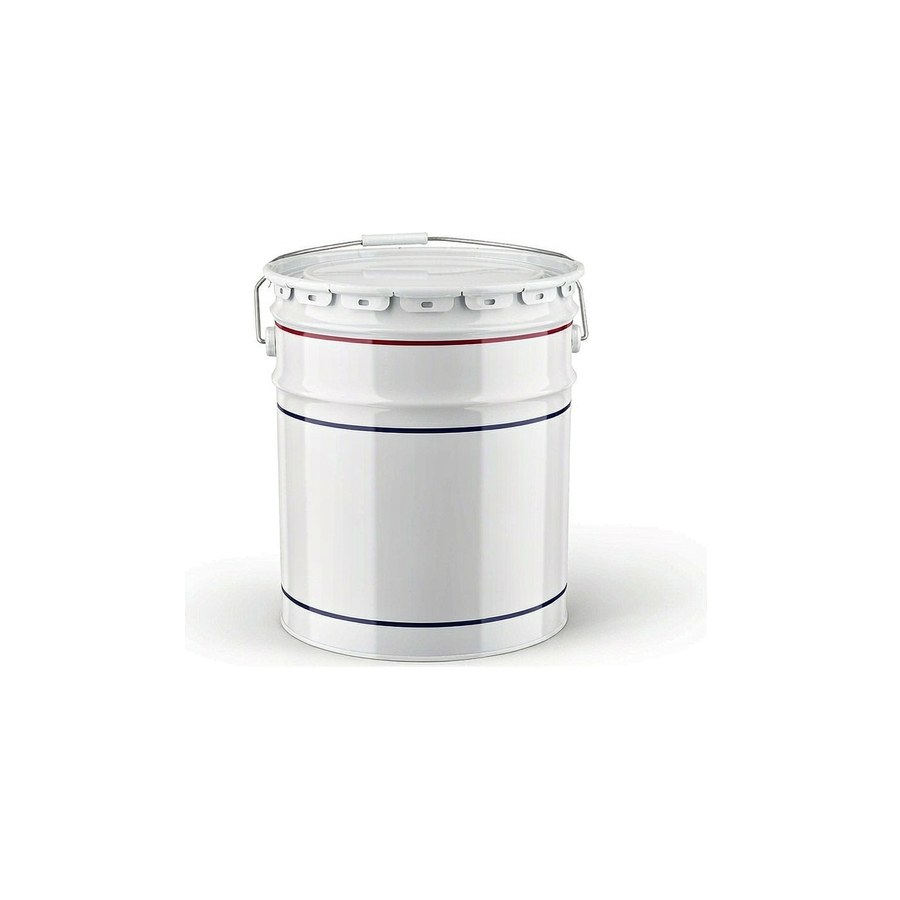
PU411 Overcoatable Polyurethane Topcoat is a polyurethane coating used as a topcoat. Widely used for corrosion protection of steel structures in construction machinery, port machinery, chemical machinery, electric power, mining machinery, petrochemical, bridges and highways. A two-component overcoatable polyurethane topcoat; Component B is an aliphatic or aromatic curing agent; unlimited overcoatability, with no sanding required even after long-term atmospheric exposure before overcoating, without affecting intercoat adhesion; good chemical and solvent resistance; high gloss and fullness. Parameters on this page: dry film thickness 50-80 µm, theoretical spreading rate 10.8 m²/kg, number of components: two-component.
Parameter source: OSAKA original technical data sheet (TDS) for PU411 Overcoatable Polyurethane Topcoat; spreading rate and other values are converted from TDS parameters and provided for product selection reference only.
The above content is compiled from the manufacturer's datasheet and this site's parameter tables. For selection, coating systems and lead times, pleaseContact Usfor confirmation.
This page carries the full TDS for this product, translated from the manufacturer's original document. No file download is needed; for an original-language copy, send an enquiry.
| Volume Solids | 65% |
|---|---|
| Dry Film Thickness | 50–80 µm |
| Theoretical Spreading Rate | 10.8 m²/kg |
| VOC | 301 g/L |
| Density / Specific Gravity | 1.20 kg/L |
| Number of Components | Two-component |
| Flash Point | >23 °C (base, hardener, mixture) |
| Thinner | OUP 104, recommended addition 3%–5% |
| Mixing Ratio | Component A : Component B = 6:1 (by weight) |
A two-component overcoatable polyurethane topcoat; Component B is an aliphatic or aromatic curing agent; unlimited overcoatability, with no sanding required even after long-term atmospheric exposure before overcoating, without affecting intercoat adhesion; good chemical and solvent resistance; high gloss and fullness.
Widely used for corrosion protection of steel structures in construction machinery, port machinery, chemical machinery, electric power, mining machinery, petrochemical, bridges and highways.
| Volume Solids | 65% |
|---|---|
| Dry Film Thickness | 50–80 µm |
| Theoretical Spreading Rate | 10.8 m²/kg at 50 µm dry film thickness. |
| Practical Spreading Rate | Allowing a suitable loss |
| Volatile organic compound content | 301 g/L |
| Mixing Ratio | Component A : Component B = 6:1 (by weight) |
|---|---|
| Airless spray | Recommended: nozzle tip size 0.43–0.49 mm; fluid pressure ≥15.5 MPa |
| Brush or roller | Recommended, but use a short-nap roller or soft brush to minimise air entrapment. |
| Conventional spray | Suitable, but not recommended. |
| Thinner | OUP 104, recommended addition 3%–5%. |
| Paint equipment cleaner | OUP 104 |
| Pot life | 23 °C: 3 h |
| Drying Time | ||||
| Substrate Temperature | Touch dry (h) | Hard dry (h) | Recoat Interval | |
| Minimum | Maximum | |||
| 5°C | 2 | 24 | 24 h | Unlimited |
| 23°C | 1 | 16 | 16 h | Unlimited |
| 35°C | 0.5 | 12 | 12 h | Unlimited |
| Storage | In a dry, cool environment away from fire and heat sources. |
|---|---|
| Shelf life | Component A: 1 year; Component B: 6 months |
| Packaging Specifications | Component A: 18 kg in a 20 L container; Component B: 3 kg in a 4 L container |
| Flash Point | >23 °C (base, hardener, mixture) |
| density | 1.20 kg/L |
Used for coating surfaces already coated with primer or intermediate coat; keep the surface clean, dry and free from oil, dust and water. Previous coats: epoxy ester, epoxy, polyurethane and other primers or intermediate coats. The product is easy to self-overcoat or overcoat with other two-component paints, but the surface must be kept clean and dry.
Mix in the specified ratio for immediate use, and use within the pot life. After mixing and stirring thoroughly, allow to stand for 5–15 minutes before application. The curing agent reacts readily with moisture; keep containers tightly closed during storage and use. Humid weather during application affects the gloss and appearance of the film.
Information is subject to the manufacturer's latest version; the manufacturer's latest TDS prevails.
The technical parameters on this page are taken from the product's original manufacturer technical datasheet, the copyright of which belongs to the manufacturer. If a rights holder considers the presentation inappropriate, contact us for verification and handling.
For more Q&A on selection, application, acceptance and defect diagnosis, seeFAQsection.
Packaging specifications and batch lead times are subject to actual availability. PleaseContact Uscontact us for project-based calculation.