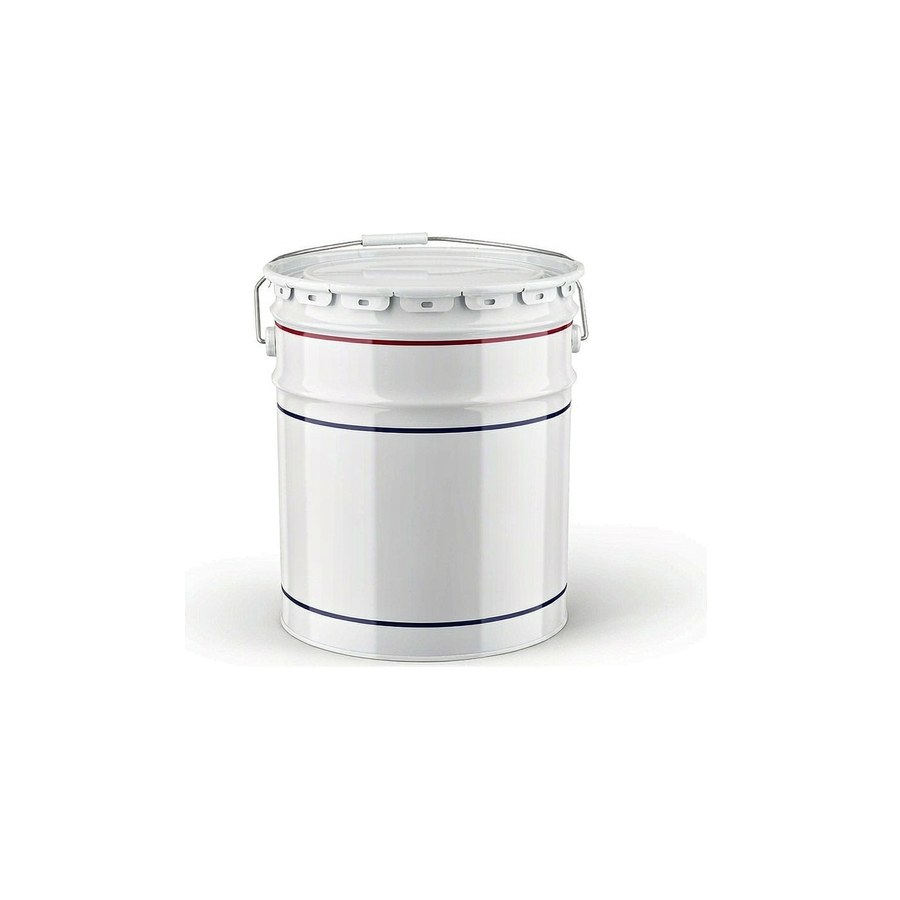
EPSP404 Solvent-free Epoxy Glass Flake Coating is a glass flake coating in the epoxy system. Suitable for long-term corrosion protection of steel structures or concrete in various severely corrosive environments, such as underground, underwater, sewage pools and substrates in contact with certain chemical media. Because the film contains a high pigment-volume concentration of glass flakes arranged in an alternating, overlapping pattern, forming a "labyrinth" effect, the film has excellent barrier and permeation resistance, resisting permeation corrosion by corrosive media. Parameters on this page: volume solids 100%, theoretical spreading rate 3.85 m²/kg, number of components two.
Source: OSAKA original technical data sheet (TDS) "EPSP404 Solvent-free Epoxy Glass Flake Coating"; spreading rate and other values are converted from TDS parameters and are for selection reference only.
The above content is compiled from the manufacturer's datasheet and this site's parameter tables. For selection, coating systems and lead times, pleaseContact Usfor confirmation.
This page carries the full TDS for this product, translated from the manufacturer's original document. No file download is needed; for an original-language copy, send an enquiry.
| Volume Solids | 100% |
|---|---|
| Dry Film Thickness | 200–300 µm |
| Theoretical Spreading Rate | 3.85 m²/kg |
| VOC | 6 g/L |
| Density / Specific Gravity | 1.3–1.4 kg/L |
| Number of Components | Two-component |
| Flash Point | >65 °C (components A, B and their mixture) |
| Thinner | Generally not required; if needed, use OUP103 |
| Mixing Ratio | Component A : Component B = 4:1 (by weight) |
Contains no volatile organic solvent, 100% solids, high film thickness achievable in one coat, cures at ambient temperature. Because the film contains a high pigment-volume concentration of glass flakes arranged in an alternating, overlapping pattern, forming a "labyrinth" effect, the film has excellent barrier and permeation resistance, resisting permeation corrosion by corrosive media. The film has excellent adhesion and abrasion resistance, resistant to water, salt water and chemicals.
Suitable for long-term corrosion protection of steel structures or concrete in various severely corrosive environments, such as underground, underwater, sewage pools and substrates in contact with certain chemical media. Particularly suitable for application in poorly ventilated environments; can replace FRP and rubber linings, or serve as the adhesive for glass cloth lining, with convenient application and maintenance.
| Volume Solids | 100% |
|---|---|
| Dry Film Thickness | Recommended 200–300 µm. |
| Theoretical Spreading Rate | 3.85 m²/kg (0.26 kg/m²), based on 200 µm dry film thickness. |
| Practical Spreading Rate | Allowing a suitable loss |
| Volatile organic compound content | 6 g/L |
| Mixing Ratio | Component A : Component B = 4:1 (by weight) |
|---|---|
| Airless spray | Recommended; the total fluid output pressure is adjusted according to application temperature and paint viscosity. |
| Brush or roller | Applicable; apply no more than 400 µm per coat to prevent sagging. |
| Conventional spray | N/A |
| Thinner | Generally not required; if needed, use OUP103 |
| Paint equipment cleaner | OUP 103 |
| Pot life | Summer grade: 35 °C: 20–35 min; 23 °C: 30–45 min. Winter grade: 15 °C: 30–45 min; 5 °C: 45–60 min |
| Drying Time | |||
| Substrate Temperature | Touch dry (h) | Hard dry (h) | Full cure time (days) |
| 5°C | 12 | 5 | |
| 15°C | 8 | 12 | 3 |
| 23°C | 8 | 12 | 3 |
| 35°C | 4 | 1 | |
| Storage | Store in a cool, dry environment |
|---|---|
| Shelf life | 1 year |
| Packaging Specifications | Component A: 16 kg in a 20 L container; Component B: 4 kg in a 4 L container |
| Flash Point | >65 °C (components A, B and their mixture) |
| density | 1.3–1.4 kg/L |
Steel structures: new steel shall be blast cleaned to Sa 2.5 or power-tool cleaned to St3; remove oil with solvent and keep the surface clean and dry. Concrete: cured for at least 20 days, moisture content not above 6%; the surface shall be dusted and coated with a penetrating sealer. When the application ambient temperature is 20 °C or above, the summer grade is recommended; at 0–20 °C, use the winter grade, but below 5 °C the coating cures slowly. The substrate temperature shall be at least 3 °C above the dew point. Mix only as much as needed for immediate use, stir thoroughly, and use within the pot life to avoid gelation waste.
Information is subject to the manufacturer's latest version; the manufacturer's latest TDS prevails.
The technical parameters on this page are taken from the product's original manufacturer technical datasheet, the copyright of which belongs to the manufacturer. If a rights holder considers the presentation inappropriate, contact us for verification and handling.
For more Q&A on selection, application, acceptance and defect diagnosis, seeFAQsection.
Packaging specifications and batch lead times are subject to actual availability. PleaseContact Uscontact us for project-based calculation.