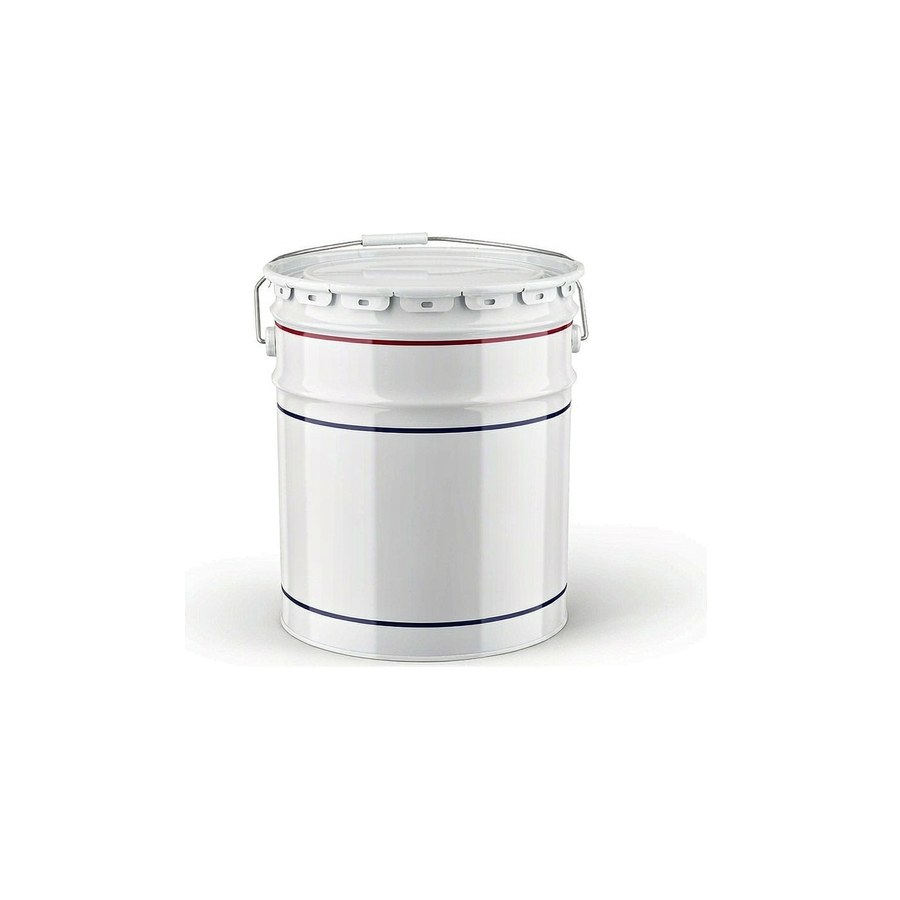
EPCT382-1/EPCT382-2 Winter Epoxy Bitumen High-build Primer / Winter Epoxy Bitumen High-build Topcoat is an epoxy coating used as a primer. Application temperature down to −20 °C; low-temperature curing forms a tough film with good corrosion resistance, and excellent resistance to seawater, crude oil and fuel oil. Two-pack; component B is a winter fast-drying curing agent. Parameters on this page: volume solids 62.5%, dry film thickness 125 µm, theoretical spreading rate 3.6 m²/kg.
Source: OSAKA original technical data sheet (TDS) "EPCT382-1/EPCT382-2 Winter Epoxy Bitumen High-build Primer/Winter Epoxy Bitumen High-build Topcoat"; spreading rate and other values are converted from TDS parameters and are for selection reference only.
The above content is compiled from the manufacturer's datasheet and this site's parameter tables. For selection, coating systems and lead times, pleaseContact Usfor confirmation.
This page carries the full TDS for this product, translated from the manufacturer's original document. No file download is needed; for an original-language copy, send an enquiry.
| Volume Solids | 62.5% |
|---|---|
| Dry Film Thickness | 125 µm |
| Theoretical Spreading Rate | 3.6 m²/kg |
| VOC | 326.6 g/L |
| Density / Specific Gravity | — |
| Number of Components | Two-component |
| Flash Point | 25°C |
| Thinner | OUP 103, recommended addition 3%–5% |
| Mixing Ratio | Component A : Component B = 17:3 (by weight) |
Primer: brown; topcoat: black. Two-pack; component B is a winter fast-drying curing agent.
May be used for the long-term protection of steel plates in severely corrosive environments, such as immersed areas including hull bottoms, crude oil tanks, fuel oil tanks and ballast tanks. Application is possible down to -20 °C; low-temperature curing forms a corrosion-resistant, tough film with good resistance to seawater, crude oil and fuel oil.
| Volume Solids | 62.5% |
|---|---|
| Dry Film Thickness | 125 µm, equivalent to 200 µm wet film thickness |
| Theoretical Spreading Rate | Primer: 3.6 m²/kg; topcoat: 3.84 m²/kg |
| Practical Spreading Rate | Allowing a suitable loss |
| Volatile organic compound content | 326.6 g/L |
| Mixing Ratio | Component A : Component B = 17:3 (by weight) |
|---|---|
| Airless spray | Recommended: tip size 0.53–0.65 mm; fluid pressure ≥ 19.7 MPa |
| Brush or roller | Recommended |
| Conventional spray | Suitable but not recommended. |
| Thinner | OUP 103, recommended addition 3%–5%. |
| Paint equipment cleaner | OUP 103 |
| Pot life | 10 °C – 2 h |
| Drying Time | ||||
| Substrate Temperature | Touch dry (h) | Hard dry (h) | Recoat Interval | |
| Minimum | Maximum | |||
| -20°C | 8 | 48 | 48 h | 7 days |
| 0°C | 2 | 24 | 24 h | 3 days |
| 10°C | 1 | 14 | 12 h | 1.5 days |
| Storage | Store in a cool, dry environment |
|---|---|
| Shelf life | 1 year |
| Packaging Specifications | Component A: 17 kg in a 20 L drum; Component B: 3 kg in a 4 L drum |
| Flash Point | 25°C |
| density | Primer: 1.4 kg/L; topcoat: 1.3 kg/L |
New steel: blast to Sa 2.5 of the ISO 8501:2007 standard. If temporary protection is required, a suitable shop primer may be used; damaged shop primer and contaminants shall be thoroughly removed before coating.
Recommended number of coats: one coat each of primer and topcoat by high-pressure airless spray, total dry film thickness up to 250 µm. Preceding coats: epoxy zinc-rich primer, epoxy zinc dust shop primer, epoxy iron-red shop primer, inorganic zinc silicate shop primer; may also be applied directly on steel derusted to Sa 2.5.
Data is subject to the manufacturer's latest version; in all cases the manufacturer's latest TDS prevails.
For more Q&A on selection, application, acceptance and defect diagnosis, seeFAQsection.
Packaging specifications and batch lead times are subject to actual availability. PleaseContact Uscontact us for project-based calculation.